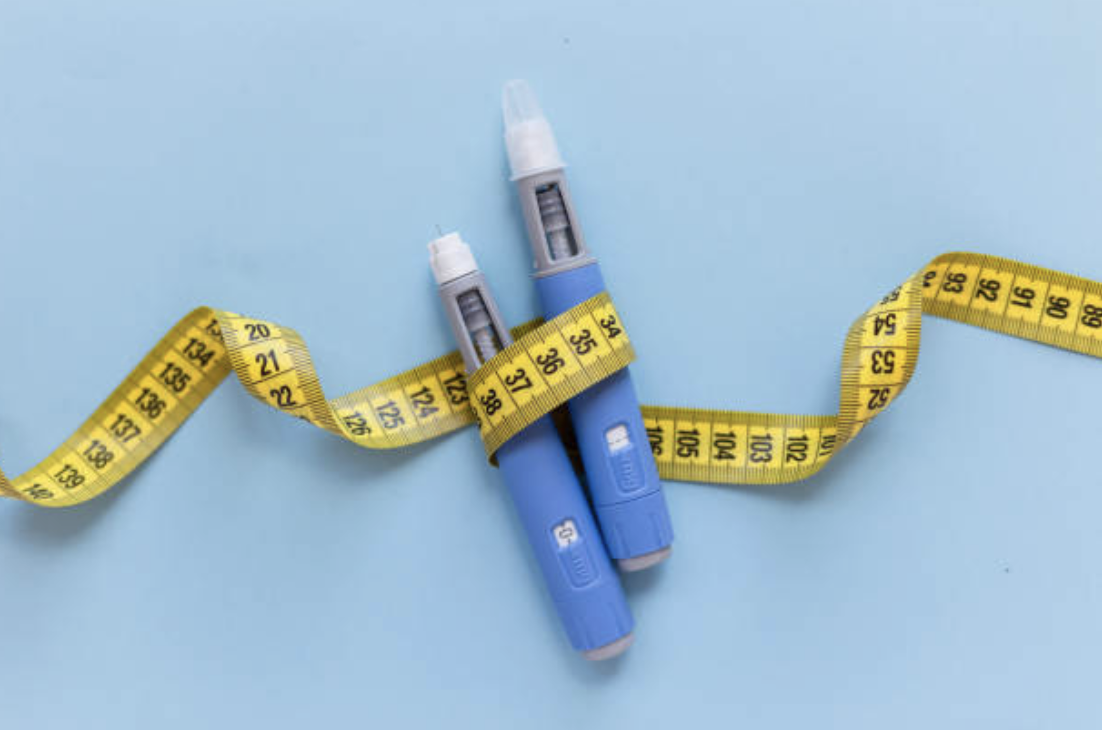
The efficacy gap between oral and injectable GLP-1s is not a rounding error. Injectable tirzepatide produces roughly 20.9% weight loss at the highest dose in clinical trials. The newest approved oral option, Foundayo, produced 12.4%. That is a meaningful difference, and it is the central tension any patient faces when they ask me whether they can skip the needles.
The pills versus injections conversation is one of the most common ones I have in weight management, and the answer is complicated. My framework when a patient asks whether they really need to inject goes like this.
The Efficacy Gap Is Real
The injectable GLP-1s currently sit at the top of the efficacy range. Wegovy's STEP 1 trial showed 14.9% average weight loss over 68 weeks — a meaningful number by any standard. Zepbound pushes that further: SURMOUNT-1 showed 20.9% at the 15mg dose, and across the full dosing range tirzepatide consistently lands above semaglutide. For a patient starting at 250 pounds, the difference between 14.9% and 20.9% is roughly 15 pounds — real weight, real health impact, not a statistical footnote.
The oral options are meaningful but lower. Oral Wegovy produces around 15%, comparable to the semaglutide injection, actually, but requires strict food timing every morning. Foundayo, approved in April 2026, produces around 12.4% in the ATTAIN-1 trial with no food restrictions. That's the 36-week trial figure; I'd expect some variation around that in practice now that it's out of a controlled setting.
So if the only variable were lifestyle preference, the injection wins on results. That's the trade-off, and I'd rather say it plainly than let patients find out six months in.
But Adherence Changes Everything
The part that complicates the pure efficacy argument: a medication you take consistently beats a medication you abandon, every single time.
Needle aversion is real. Not everyone who says they can't do injections is being dramatic, the auto-injector pens for Wegovy and Zepbound are far less intimidating than a syringe, and some patients change their assessment after seeing the device. But others genuinely can't get comfortable with self-injection after trying. Anxiety before the weekly dose, disrupted travel routines, reluctance to take it in certain situations, these aren't character flaws. They're real barriers that affect whether someone stays on medication for the 12-18 months it takes to see meaningful results.
A pill that produces 12% weight loss sustained over 18 months is a better clinical outcome than a 21% trial result discontinued at month three. I've watched this play out enough times that I take the injection question seriously now, rather than trying to talk patients out of their preference.
The Pill Options as They Stand Right Now
With Foundayo approved, there are two meaningful oral GLP-1 options, each with a different trade-off.
Oral Wegovy (oral semaglutide) requires a completely empty stomach every morning and a 30-minute wait before eating or drinking anything except water. Every day, without exception. In exchange, it delivers around 15% average weight loss, comparable to its injectable equivalent. For patients who can build that routine consistently, it's a strong choice and often the one I recommend trying first.
Foundayo (orforglipron) requires nothing beyond taking a daily pill whenever it's convenient. No food restrictions, no timing window. Average weight loss around 12.4% in the trial data. The most flexible oral option we currently have.
The injection options are Wegovy (weekly, around 15%) and Zepbound (weekly, around 21%). If injections are genuinely on the table, Zepbound is the conversation worth having, the gap between its results and any oral option is large enough to matter clinically for many patients.
The Cost Question, Plainly
Cost is not a tiebreaker in this decision for most patients, because the price ranges overlap more than people think. Injection manufacturer direct programs have come down. Oral GLP-1 list prices are still above what most patients would pay if insurance covered them, which is the real issue for both formats. If a patient has commercial insurance with obesity coverage, the monthly cost on either a pill or injection is usually manageable with a savings card. If they are cash-pay, the gap between the two is smaller than the ads make it sound.
Where cost genuinely changes the recommendation is at the edges. For patients paying fully out of pocket with tight budget ceilings, the cheapest injections can run below the cheapest pills on some plans. For patients with no coverage who want the strongest outcome per dollar, the numbers sometimes point toward tirzepatide injection despite the needle trade-off.
The Questions I Ask Before Recommending Either
Two things I ask patients to think carefully about. First: are injections really off the table, or is it unfamiliarity? The auto-injector pens are less intimidating than most people expect, and part of my job is letting patients make an informed decision about them rather than a reflexive one. Some change their minds after seeing the device. Some don't, and that's fine.
Second: how consistent is your morning routine? If mornings are structured and predictable, Oral Wegovy's empty-stomach requirement is manageable. If schedule is irregular, travel is frequent, or the idea of a daily morning ritual feels like a burden before it even starts, I'd lean toward Foundayo even at the lower efficacy number. The best medication is the one that fits well enough into someone's actual life to still be working six months from now.
The Side Effect Curve on Each
People assume injections cause worse side effects because the idea of an injected drug sounds more intense than a pill. In clinic it does not work out that way. Both formats produce the GLP-1 class side effect pattern, which is mostly gastrointestinal and mostly front-loaded. Nausea in the first weeks of dose escalation is the most common thing. Constipation shows up more than people expect and lasts longer than the nausea in a fair number of patients. Mild fatigue during titration, occasional headaches, reflux in a small subset.
Where injection and pill differ is in dose smoothness. A weekly injection produces a relatively steady drug level after the first few doses, which can mean side effects concentrate in the 24 to 48 hours after the shot but ease in between. A daily pill delivers a more consistent exposure through the week but can mean mild low-grade nausea that spreads across more days. Some patients do better with the pill schedule because the side effects feel more manageable. Others prefer the injection because they get the side effect window behind them and then feel normal for most of the week.
I do not pretend to predict which pattern any given patient will tolerate better. What I do tell them is that the first six to eight weeks are the hardest on either drug, titration matters, and the side effects that persist past week twelve are usually mild and workable. If they are severe past that point I consider a lower dose, a class switch, or in a small number of cases stopping the medication. That is not common but it is not vanishing either.
Who Should Be on a Pill
I have patients who are excellent candidates for oral GLP-1s and patients who are not, and it mostly comes down to a few direct questions about what their life looks like.
Needle aversion that is strong enough to affect long-term adherence is the cleanest case for a pill. Not occasional hesitation, not the expected discomfort of starting injections. Actual avoidance, the kind that leads to skipped doses, missed refills, or abandoning the medication within a few months. A daily pill with 12 to 15 percent efficacy taken consistently for 18 months produces better outcomes than a 20 percent injection discontinued at month four. That math is not theoretical. I have seen it happen in both directions.
Patients with specific medical situations that make injections impractical are another clear case. Severe thrombocytopenia, certain skin conditions, occupations where bruising from injection sites causes problems, patients on complex anticoagulation regimens. These are smaller populations but for them the pill is not a preference but a practical requirement.
Patients who travel constantly and cannot reliably carry refrigerated medication often do better with orforglipron specifically, since it does not require the storage conditions that Wegovy and Zepbound need.
Where pills are not the right answer: patients who want maximum weight loss and have no contraindications to injections. The efficacy gap is real, and for a patient whose starting BMI is high and whose metabolic risk profile is significant, the injection is the stronger tool and the adherence friction is usually manageable once they get past the first few doses.
My Practical Recommendations
When injections are genuinely on the table, I almost always start that conversation with tirzepatide. The efficacy data is the strongest we have, and the once-weekly injection is less daily friction than any oral option once patients get past the initial adjustment. Semaglutide injection is a reasonable choice if tirzepatide isn't accessible or if someone prefers starting with the more established drug.
For patients who want a pill and can maintain a structured morning: Oral Wegovy first, Foundayo if that routine proves difficult in practice. For patients who already know their schedule won't cooperate, frequent travel, inconsistent mornings, early shifts, I go straight to Foundayo. I don't make them try and fail at the routine before allowing the pivot.
For patients who are brand new to all of this and genuinely unsure: sometimes starting with an oral option to establish tolerability and response, then discussing injectable options later, is the right sequencing. GLP-1 side effects are real early on, and knowing how your body responds before committing to a higher-efficacy injectable isn't a bad strategy.
The goal in all of these is a decision that holds up over six months, not one that looks optimal on paper and falls apart in practice.